
The Benefits of Myofascial Release for Violinists and Violas
Joshua Christie | APR 28, 2024
violinists
violists
myofascial release
self-massage
The Benefits of Myofascial Release for Violinists and Violas
Joshua Christie | APR 28, 2024
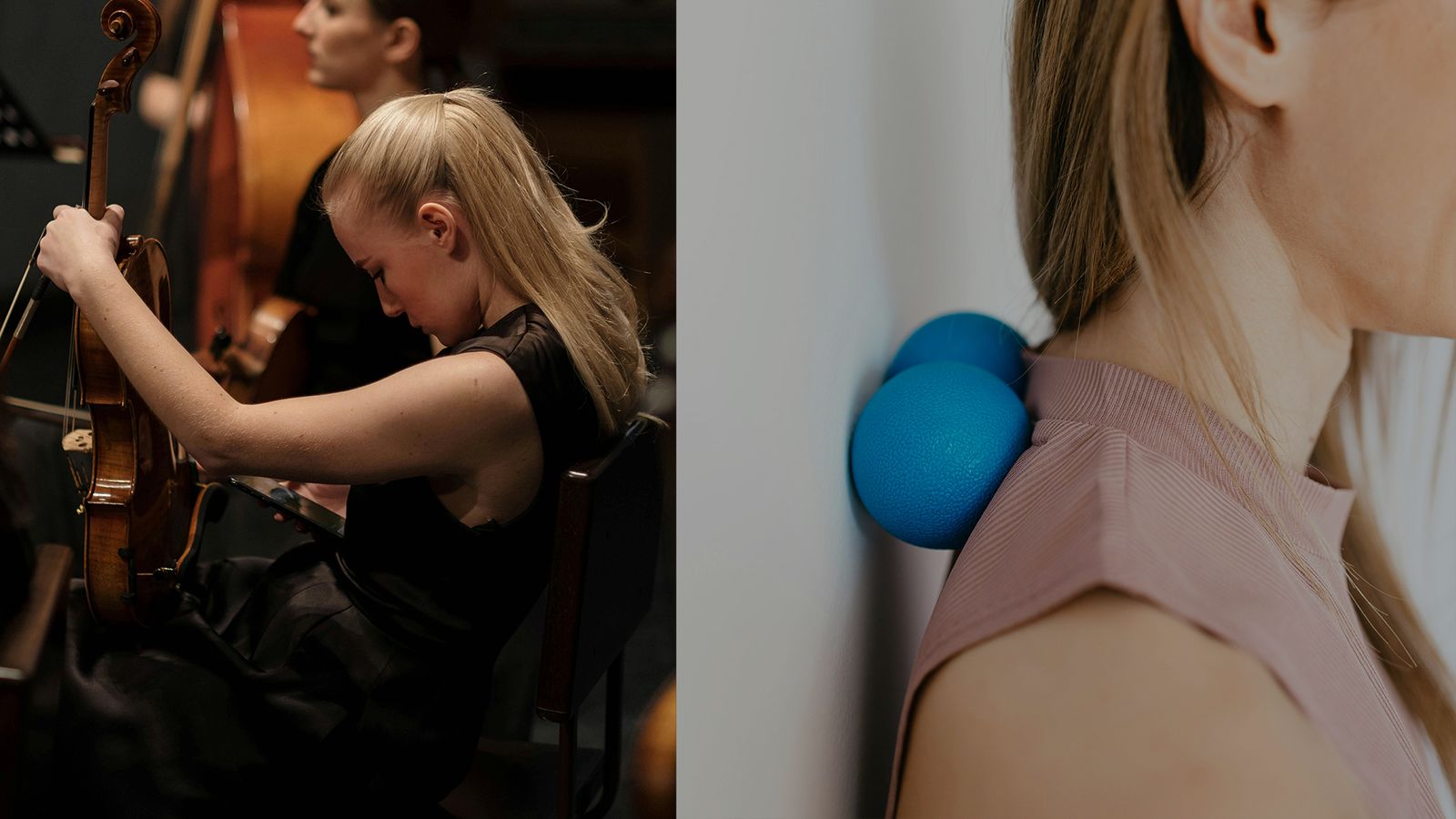
As a violinist or violist, your body is your instrument's greatest ally. From the graceful bow strokes to the intricate finger placements, every movement is a symphony of precision and finesse. However, the demands of playing these beautiful string instruments can take a toll on your body over time. That's where myofascial release comes in as a secret weapon for unlocking your full potential and maintaining harmony between body and instrument.
But first, what exactly is myofascial release? In simple terms, it's a technique that targets the fascia, the thin layer of connective tissue that surrounds your muscles and organs. When the fascia becomes tight or restricted, it can cause discomfort, restrict movement, and even affect your performance as a musician.
Here are a few reasons why myofascial release is a game-changer for violinists and violists:
Enhanced Flexibility and Range of Motion: Playing the violin or viola requires fluid and precise movements. Tight fascia can hinder your range of motion and flexibility, making it difficult to execute techniques smoothly. Myofascial release helps to release tension in the fascia, allowing for greater freedom of movement and improved flexibility.
Incorporating myofascial release into your practice routine doesn't have to be complicated. Simple techniques like foam rolling, using massage balls, or gentle stretching can make a world of difference in how you feel and perform as a violinist or violist.
Remember, your body is your most important instrument, and taking care of it is essential for longevity and peak performance. By embracing myofascial release as a valuable tool in your musical journey, you can unlock new levels of harmony, both on and off the stage. So, roll out your mat, grab your foam roller, and let the healing melodies of myofascial release guide you toward a harmonious relationship between body and music.
Joshua Christie | APR 28, 2024
Share this blog post

 OfferingTree